

Protecting the Rights of People with Disabilities
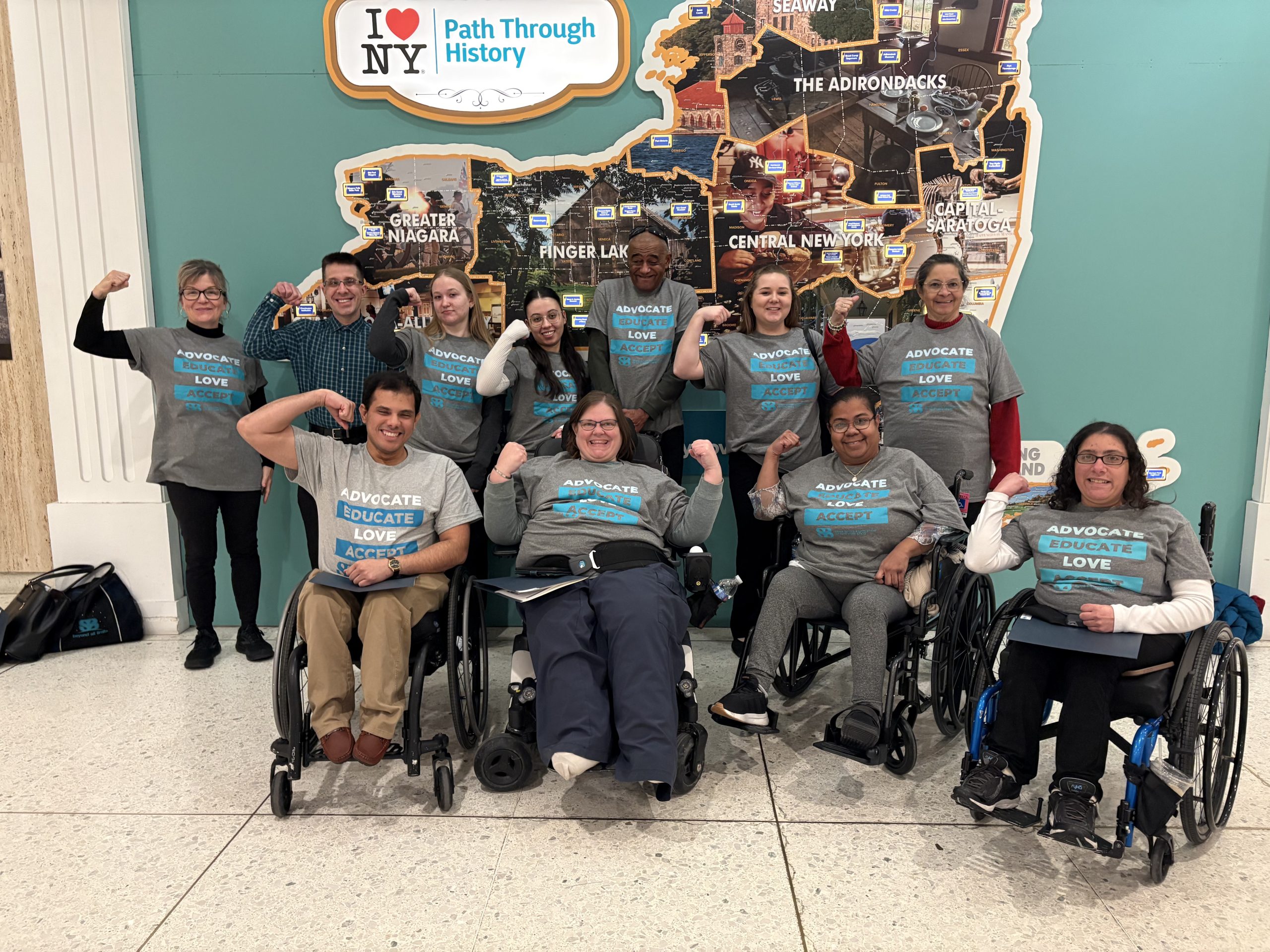
The Spina Bifida Association of New York State (SBANYS) believes that every person with a disability deserves the opportunity to live, learn, work, receive services, and participate in their community with dignity, choice, and a meaningful voice in the decisions that affect their life.
For more than 50 years, Section 504 of the Rehabilitation Act has served as an important civil rights protection for people with disabilities. It has helped expand access and reduce discrimination in education, employment, housing, health care, transportation, and community-based services. Alongside the Americans with Disabilities Act and the Supreme Court’s decision in Olmstead v. L.C., these protections have helped move our country toward greater community inclusion and away from unnecessary segregation and institutionalization. They have reinforced a fundamental principle: people with disabilities should have access to services in the most integrated setting appropriate to their needs.
Recent actions seeking to remove important Section 504 integration protections raise serious concerns for people with disabilities, their families, and the communities that support them. While the full impact of these legal actions remains to be determined, weakening these protections could create greater uncertainty and barriers to the resources and opportunities people with disabilities rely on every day.
What could this mean in real life? It could affect access to educational opportunities and accommodations, employment support, appropriate housing, health care, transportation, rehabilitation, and community-based services. It could also make it more difficult for individuals and families to advocate for the support they need to remain connected to their communities. When people lose access to resources, stability, choice, and meaningful community participation, the effects can extend beyond physical access and independence. Increased isolation, loss of control, and disruption of support systems can also affect a person’s overall well-being and mental health.
These protections are about more than services. Where a person lives is their home. Where they go to school can shape their future. Where they work can provide purpose, independence, and stability. The ability to participate in a community allows people to build relationships, contribute, and feel connected. And having a say in these decisions is part of being human.
People with disabilities should not have to fight for the right to have a voice in the most important aspects of their own lives. Disability rights affect more than the person receiving services. They affect families, caregivers, providers, educators, employers, and entire communities. Disability can touch any family, and the person whose rights are affected may be someone you know, someone you love, or someone you have yet to meet.
Take Action
SBANYS is asking our community to stand with us in protecting the rights of people with disabilities. We encourage individuals with disabilities, families, caregivers, providers, advocates, and community members to contact their Governor and State Attorney General and ask them to publicly support Section 504 and the principles established by Olmstead v. L.C., including the right of people with disabilities to receive services in the most integrated setting appropriate to their needs.
We also encourage our community to share their stories and speak openly about how access to education, employment, housing, health care, accommodations, and community-based services has impacted their lives or the lives of someone they love. Share this message with your family, friends, coworkers, and community, because the more people who understand what is at stake, the stronger our collective voice becomes. Stay connected with SBANYS for future updates and opportunities to advocate for the rights of people with disabilities.
You do not have to be a lawyer, an advocate, or an expert to make a difference. You simply have to care about the right of every person to have a voice in the most important decisions about their own life.
Disability can touch any family. The person whose rights are affected may be someone you know, someone you love, or someone you have yet to meet.
Our voices matter. Our choices matter. Our lives matter.
For more information about this issue, please see the following resources:
- https://heller.brandeis.edu/community-living-policy/research-policy/publications/titles/olmsteads-effects_three-state-study.html
- https://dredf.org/protect-504/
- https://stateline.org/2026/08/06/as-federal-protections-fade-disabled-americans-fear-a-return-to-institutions/
Jalissa Chaney
Social Work Intern
Spina Bifida Association of New York State